HURD HARE
A WORLD OF CELLULAR SOLIDS
Our Story
Hurd Hare’s origins began with the first-hand experience of seeing the type and volume of material waste produced when conceptual forms make their way from ideation to materialization. We tend to reach for materials that are easily accessible, relatively cheap and in high quantity, to test out concepts, build temporary sets and provide short-run products. Unfortunately, for the environment and our personal health, petroleum-based goods still fit these three categories well.
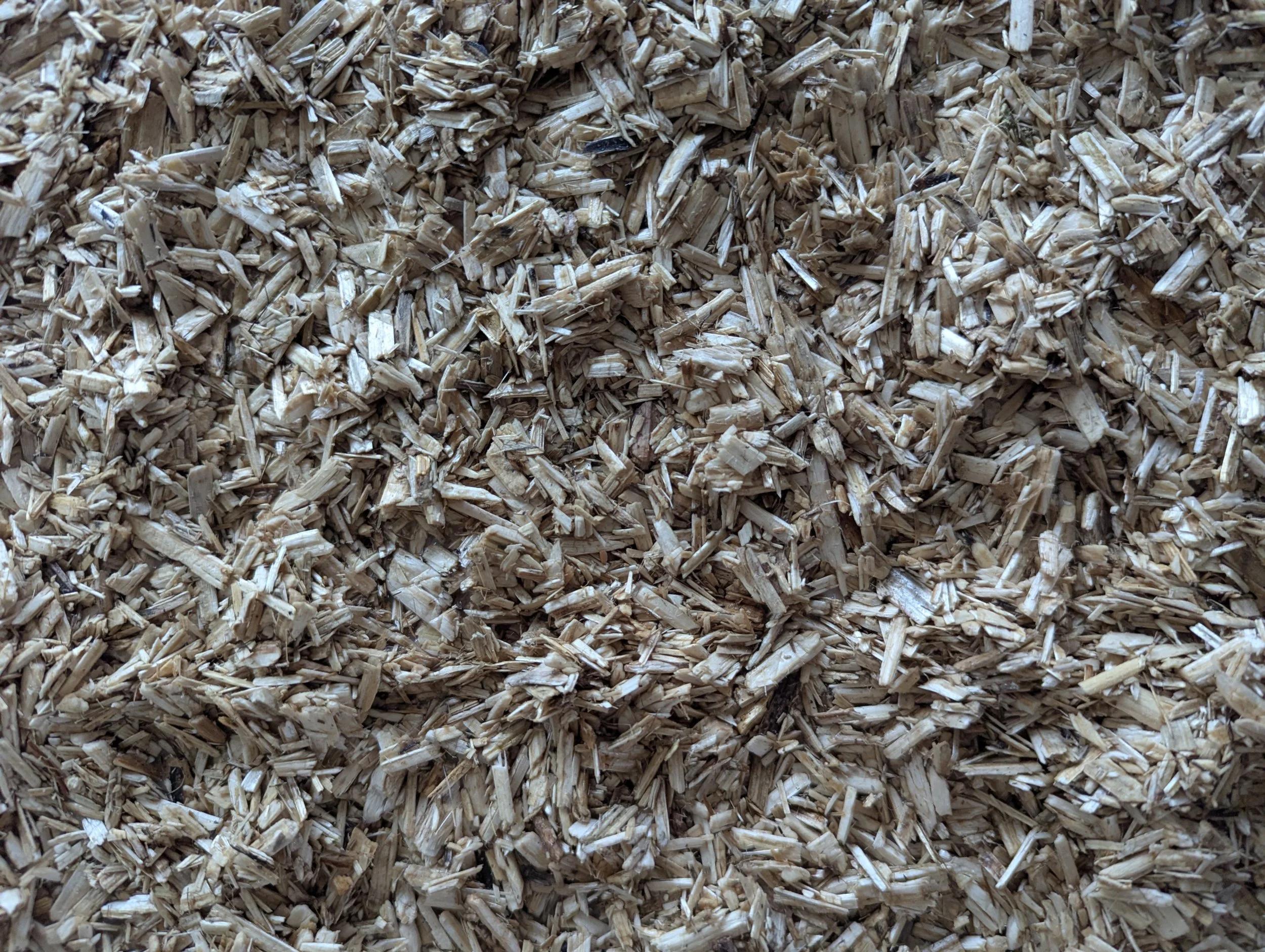
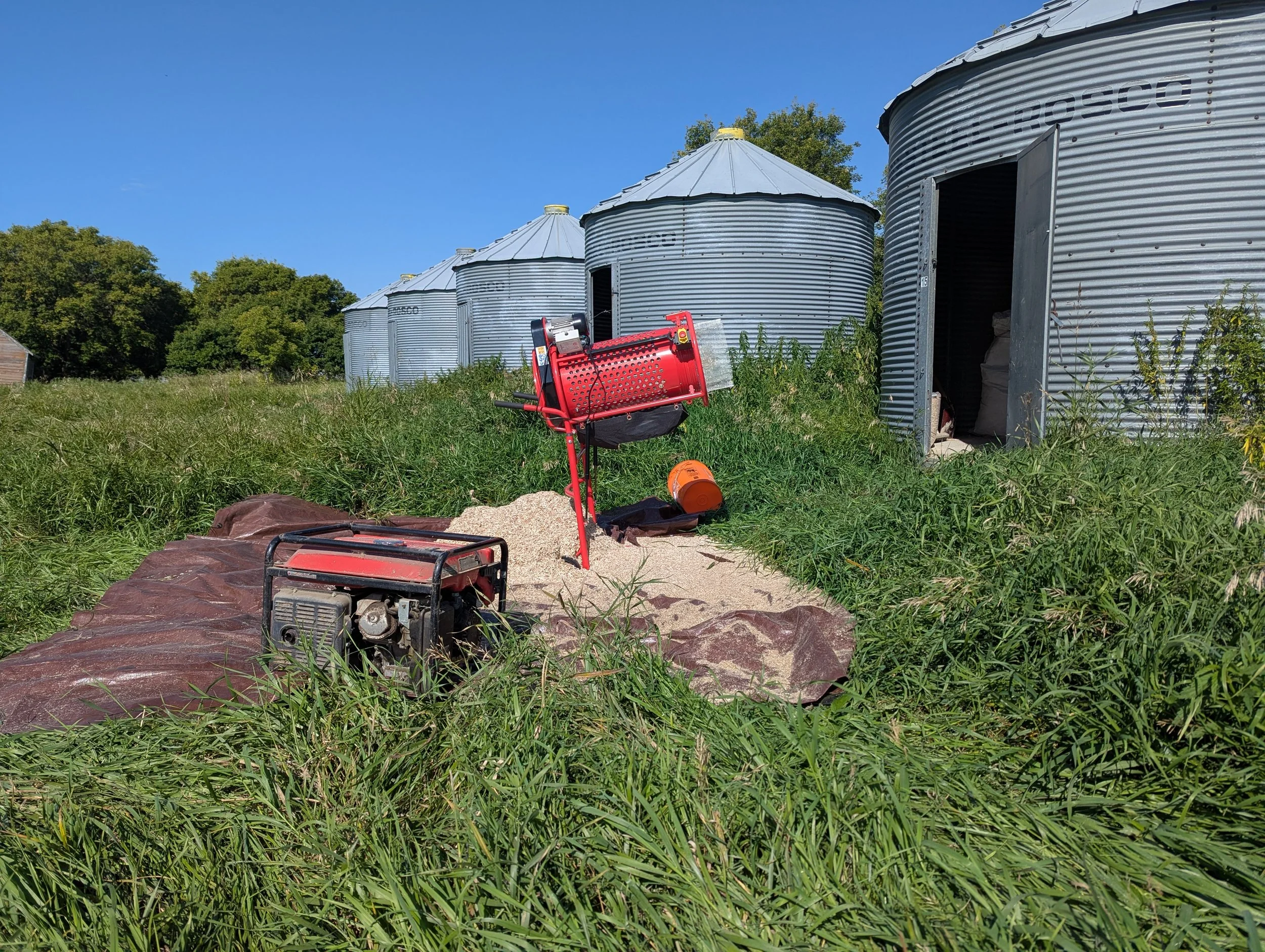
Enter hurd. A low density, hemicellulose, agricultural byproduct that is produced when the long fibers (bast) of the hemp plant are separated from the short fibers (hurd). These little particles have a few material tricks up their sleeve that can be teased out given the right application.
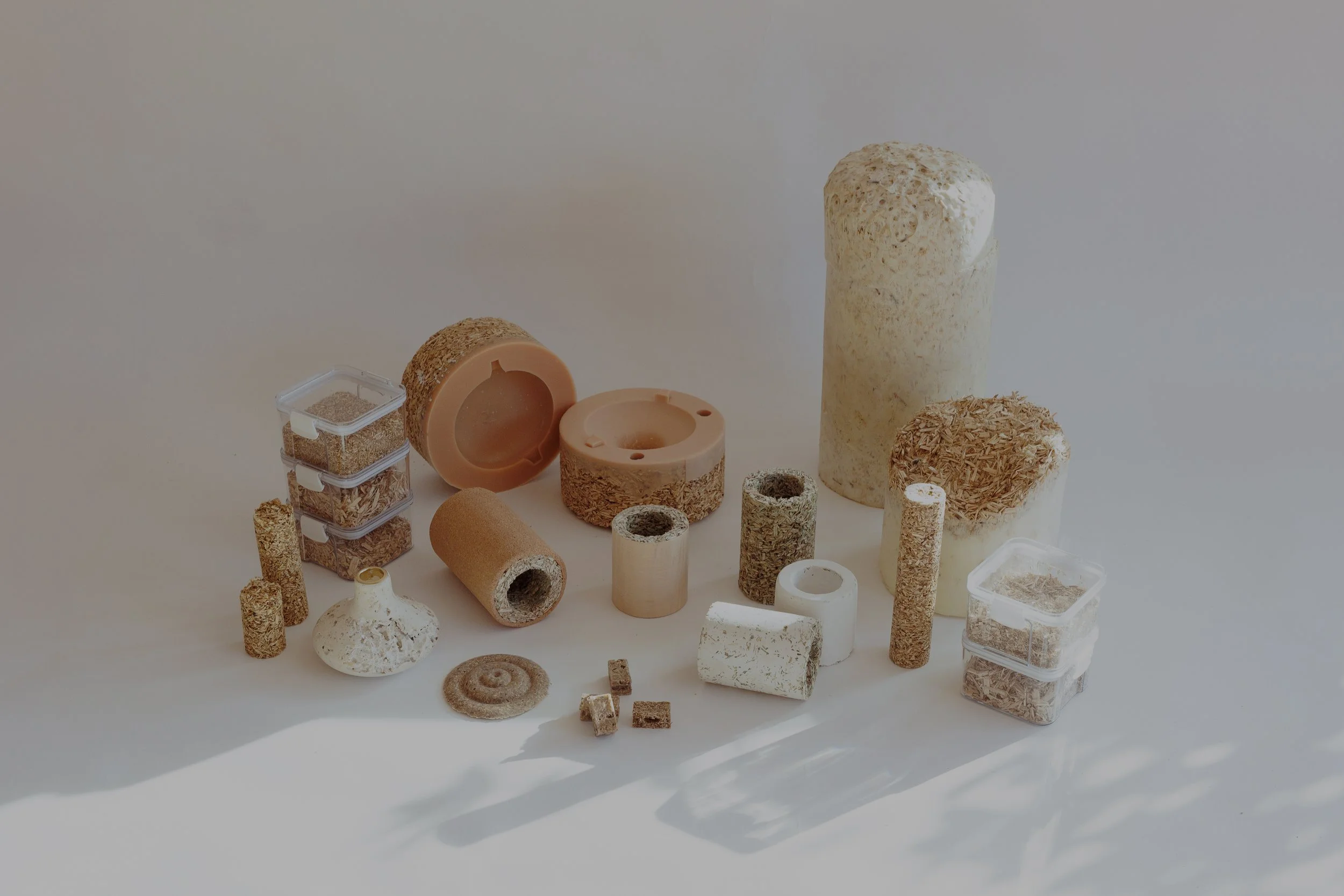
Though hurd is a loose material, unbonded and not able to adhere to itself, many people have been hard at work developing alternative binders that are in whole or in part derived from biological sources (think annual crops). It was the combination of these two ideas (particle and binder) that gave way to the formation of Hurd Hare. A biologically derived cellular solid that is castable in an ambient environment, workable by standardized tooling, membrane compatible and holds long-term stability relative to the application in need.
Our Purpose
To poke at the way volumetric parts are constructed and provide tangible solutions for the construction of low embodied energy (and therefore low embodied carbon) material bodies.
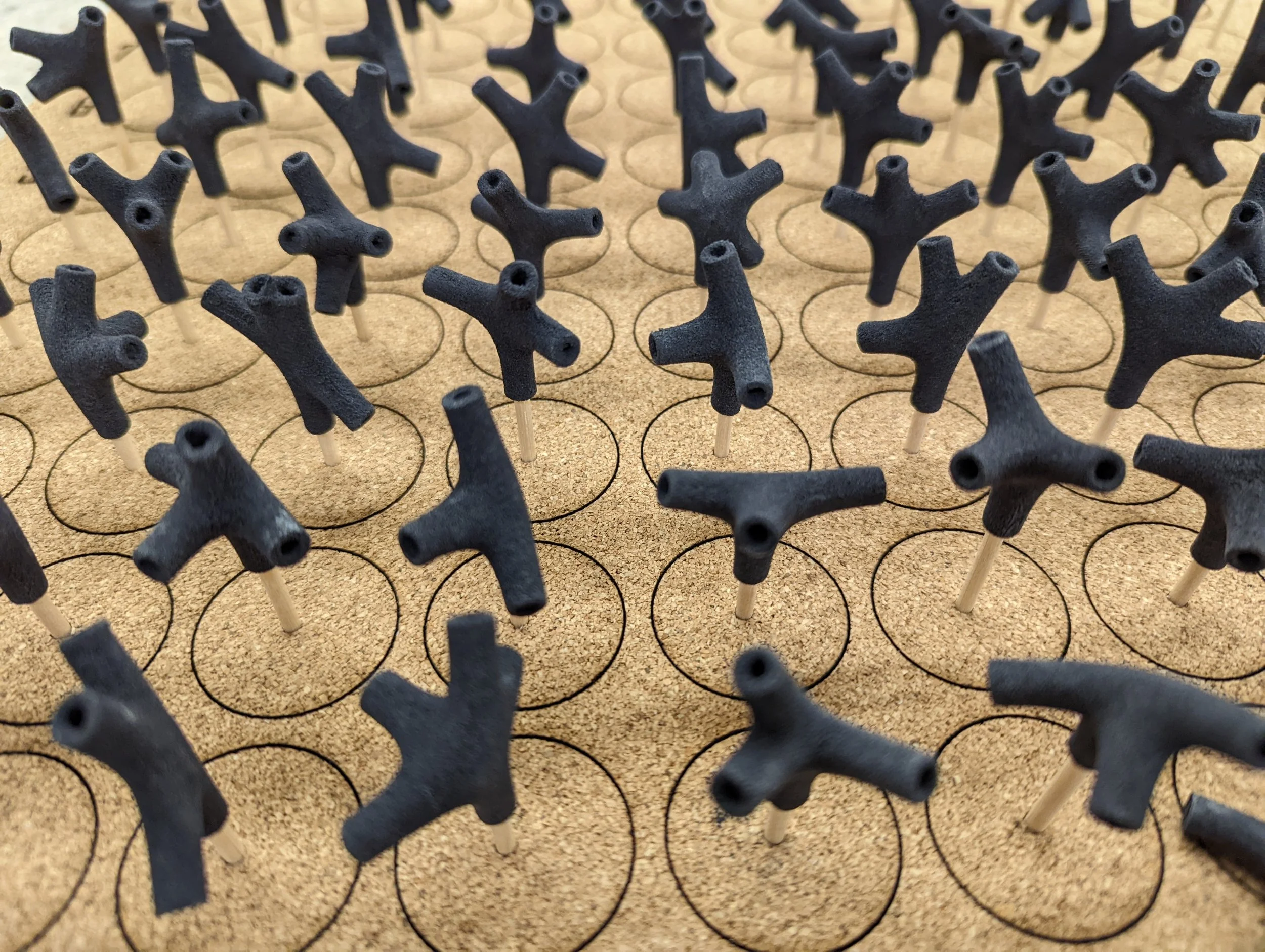
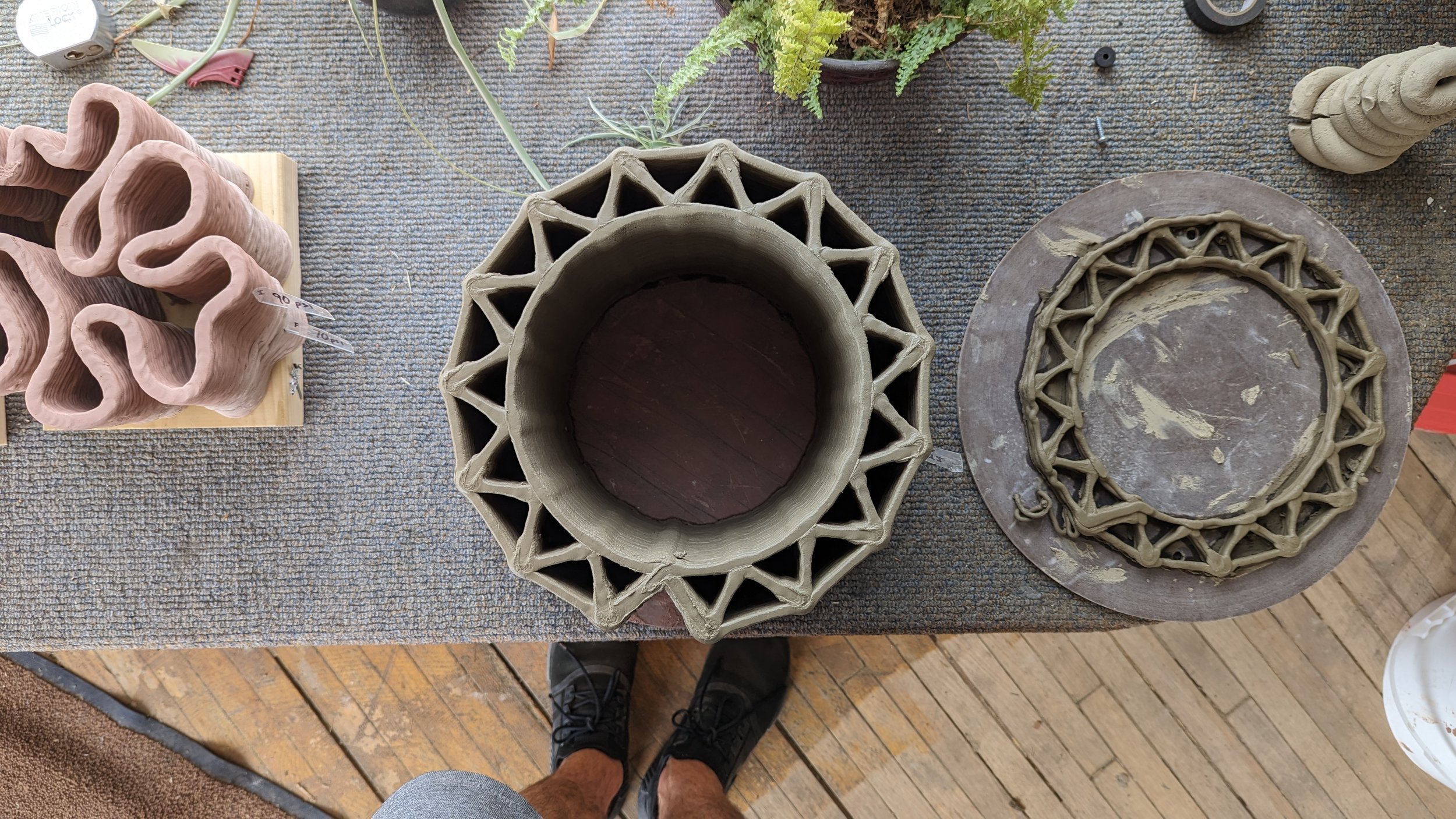
material exploration and playful prototyping is embedded within the work.